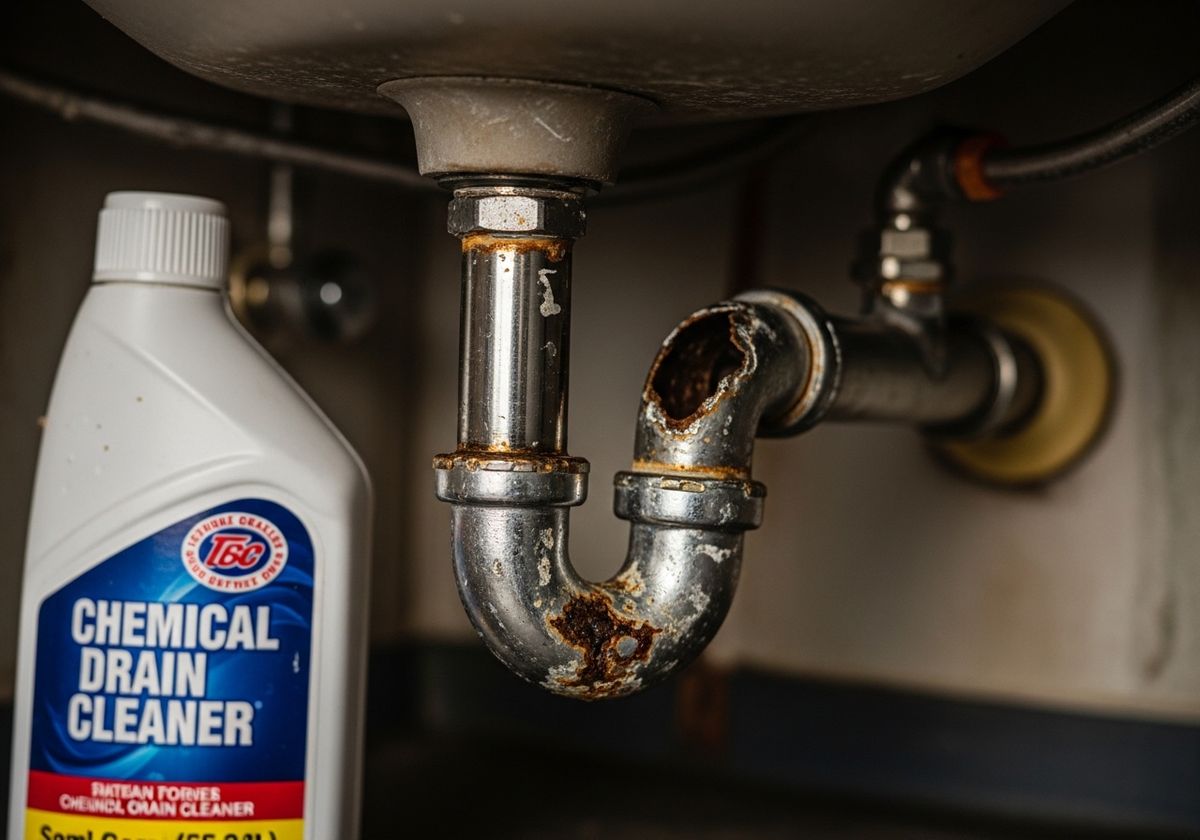
Thinking about pouring that bottle of chemical drain cleaner down your clogged drain? It might seem like a quick fix, but the long-term consequences for your residential or commercial plumbing system can be severe. While the immediate result might be a temporarily clear drain, these harsh chemicals can actually cause more harm than good, leading to costly repairs down the road.
The Corrosive Nature of Chemical Drain Cleaners
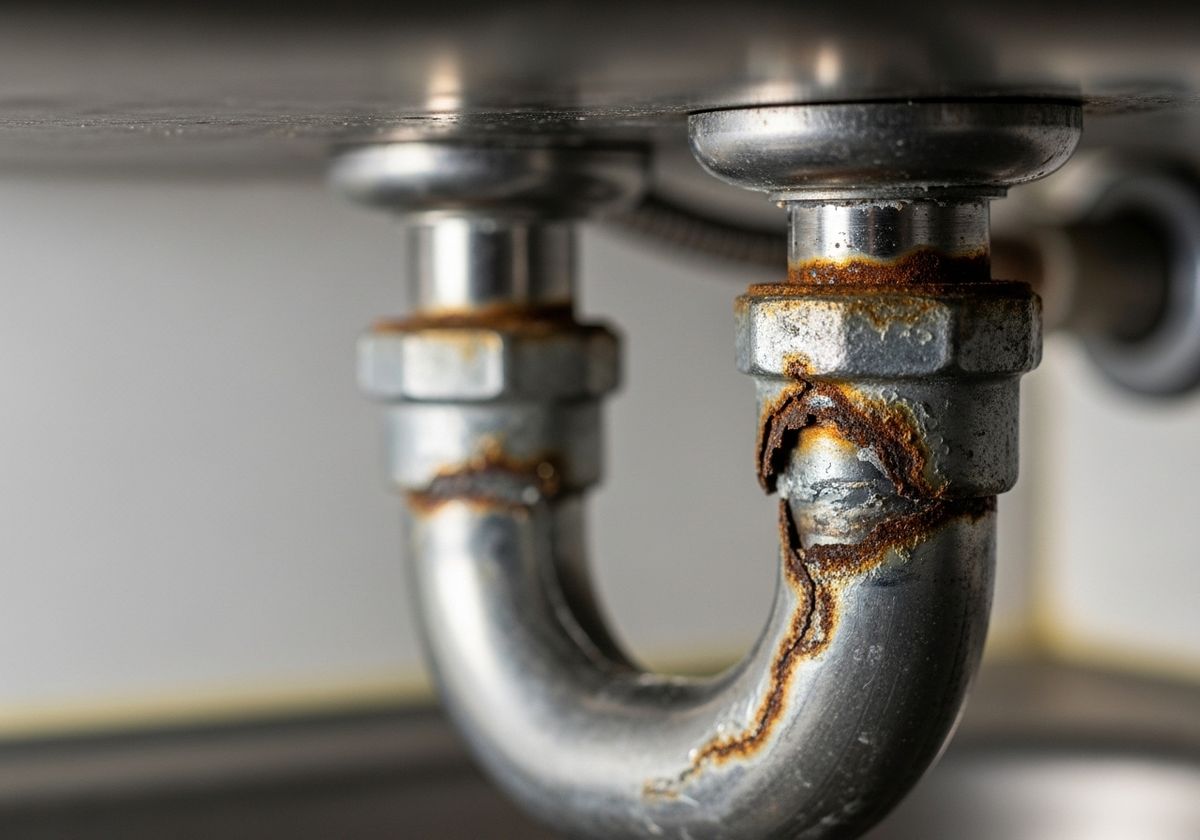
Chemical drain cleaners can rely on highly corrosive substances like sodium hydroxide or sulfuric acid to dissolve obstructions. While these chemicals can break down hair, grease, and other common culprits behind a clogged drain, they can also react aggressively with your pipes. Over time, this corrosive action can weaken pipe walls, leading to leaks, cracks, and even complete pipe failure. This is especially true for older plumbing systems made of metal like cast iron or galvanized steel.
Damage to Different Types of Pipes
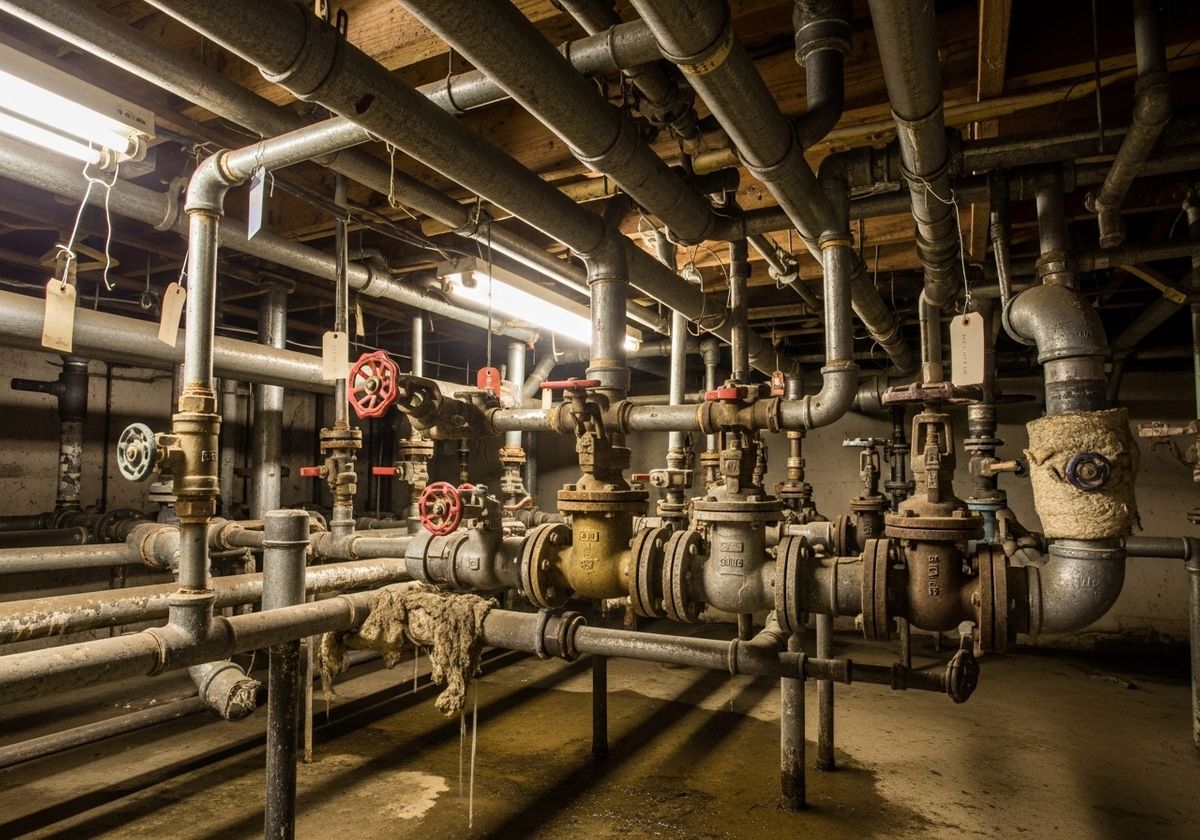
While chemical drain cleaners are generally bad news for all plumbing, they can affect different materials in different ways:
Metal Pipes: As mentioned earlier, metal pipes can be highly susceptible to corrosion from chemical drain cleaners. The chemicals can eat away at the metal, causing pinhole leaks and weakening the overall structure.
PVC Pipes: While PVC is more resistant to corrosion than metal, chemical drain cleaners can still damage these pipes. The heat generated by the chemical reaction can soften or warp PVC, leading to joint failures and leaks.

Environmental Concerns
It's not just your pipes you need to worry about. Chemical drain cleaners are harmful to the environment. When these chemicals are flushed down the drain, they can contaminate water supplies and harm aquatic life.
Safer Alternatives for a Clogged Drain
Fortunately, there are much safer and more effective ways to deal with a clogged drain:
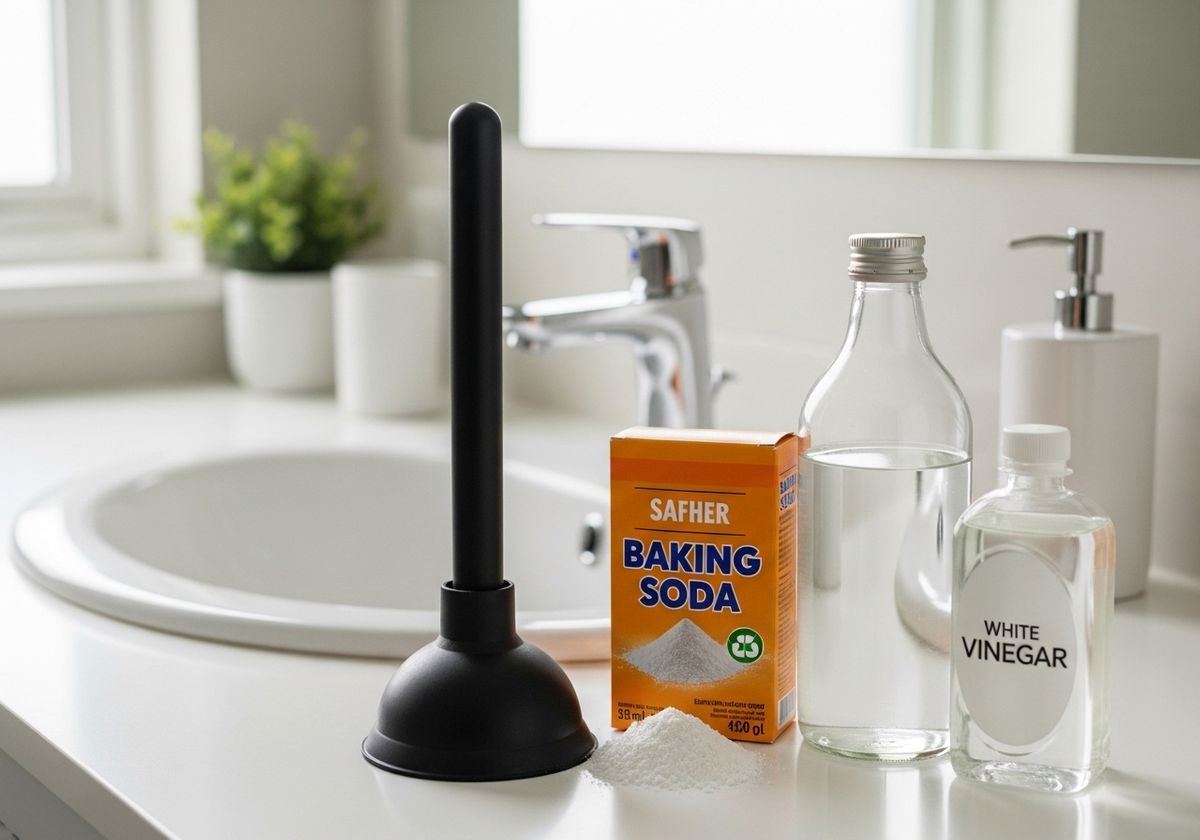
Plunger: A good old-fashioned plunger is often the first and best line of defense against a clogged drain. It's simple, effective, and doesn't involve any harsh chemicals.
Boiling Water: For minor clogs caused by grease or soap buildup, pouring boiling water down the drain can sometimes do the trick.
Baking Soda and Vinegar: This natural combination creates a fizzing action that can help break down clogs. Pour a cup of baking soda down the drain, followed by a cup of vinegar. Let it sit for 30 minutes, then flush with hot water.
Plumbing Snake: A plumbing snake (also known as an auger) is a flexible tool that can be inserted into the drain to break up or retrieve the obstruction.
Hydro jetting: Hydro jetting is a method of using high-pressure water to clear blockages and buildup in pipes. This service is usually performed by a commercial plumber, due to the equipment needed.
When to Call a Professional Plumber
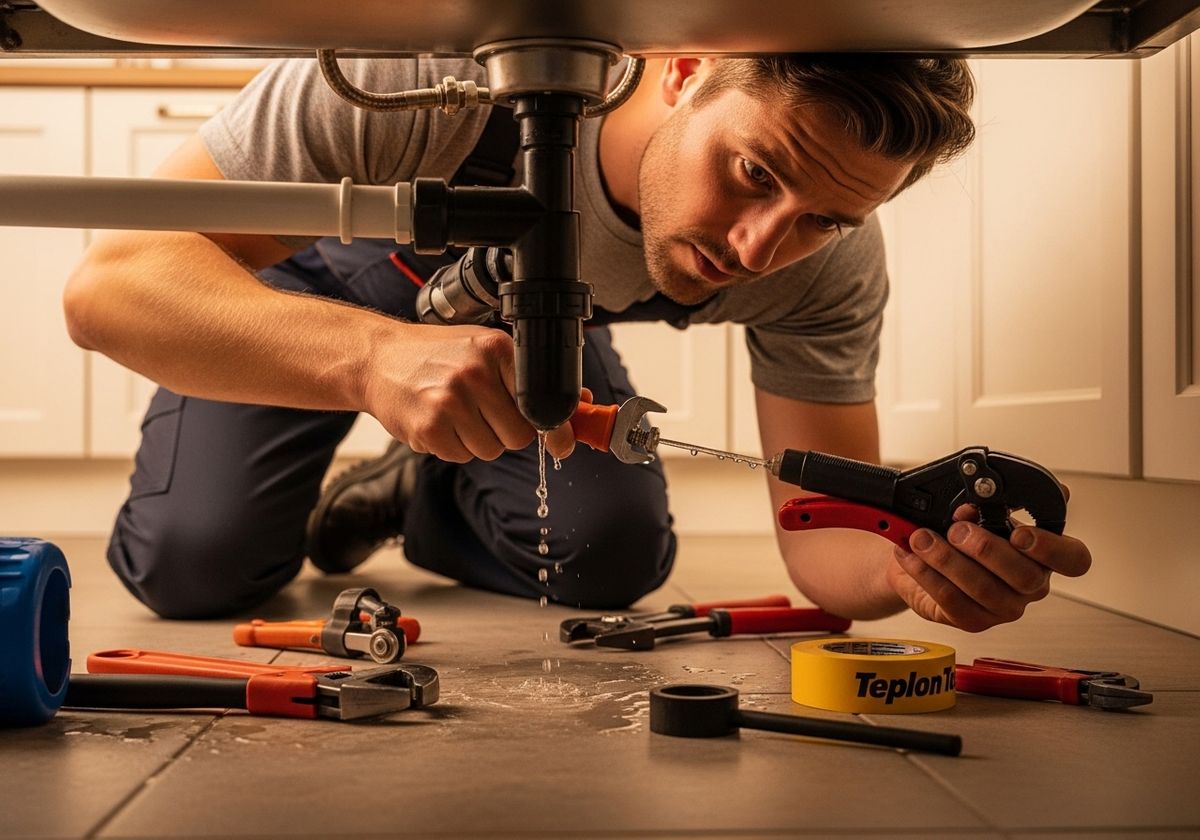
If you've tried the safer alternatives and your clogged drain persists, it's time to call a professional residential plumber. Persistent clogs can be a sign of a more serious underlying issue, such as a sewer line problem. A qualified plumber can diagnose the problem and recommend the appropriate solution, whether it's sewer line repair, leak detection, or another type of plumbing repair.