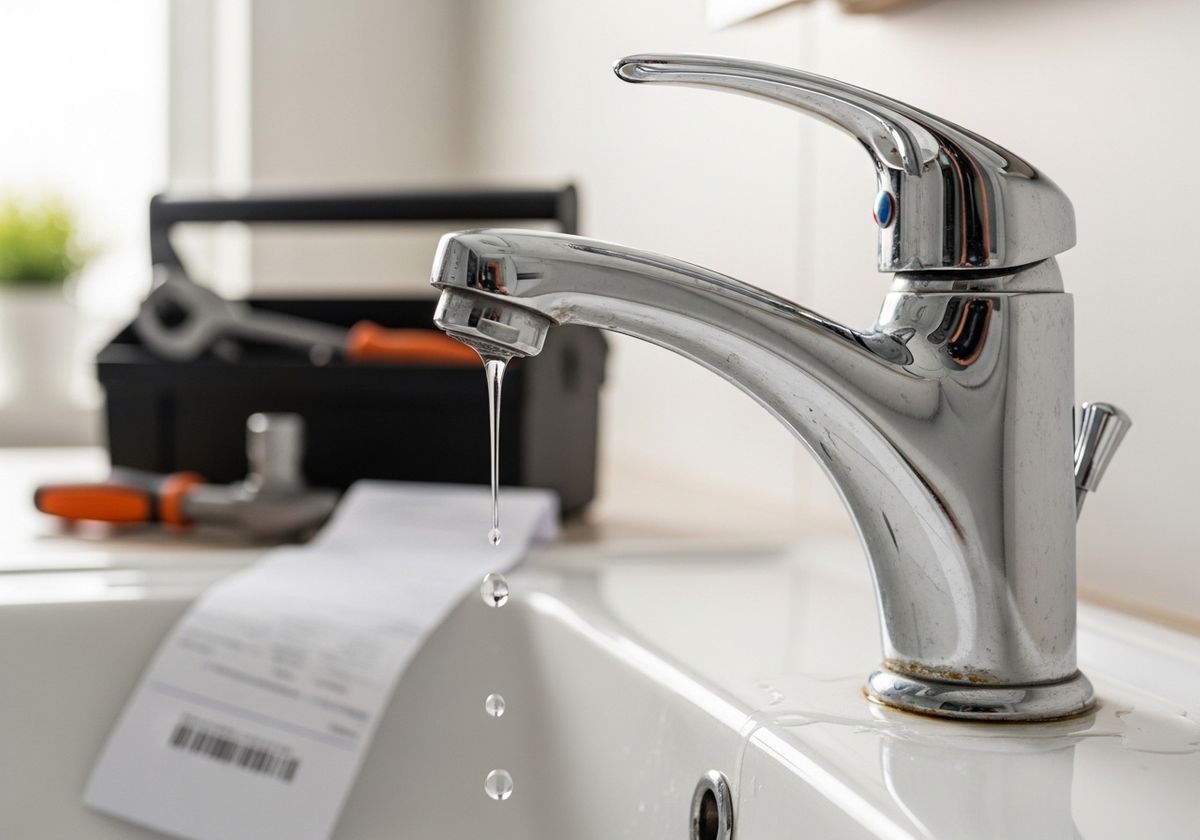
That persistent drip, drip, drip coming from your faucet might seem like a minor annoyance, but the true cost of a dripping faucet extends far beyond the aggravation it causes. It's not just about the wasted water; it's about the hidden expenses that can quietly drain your wallet. Ignoring a dripping faucet can lead to significant financial and environmental consequences. Explore the real costs and why addressing it with Pure Plumbing & Drain is essential.
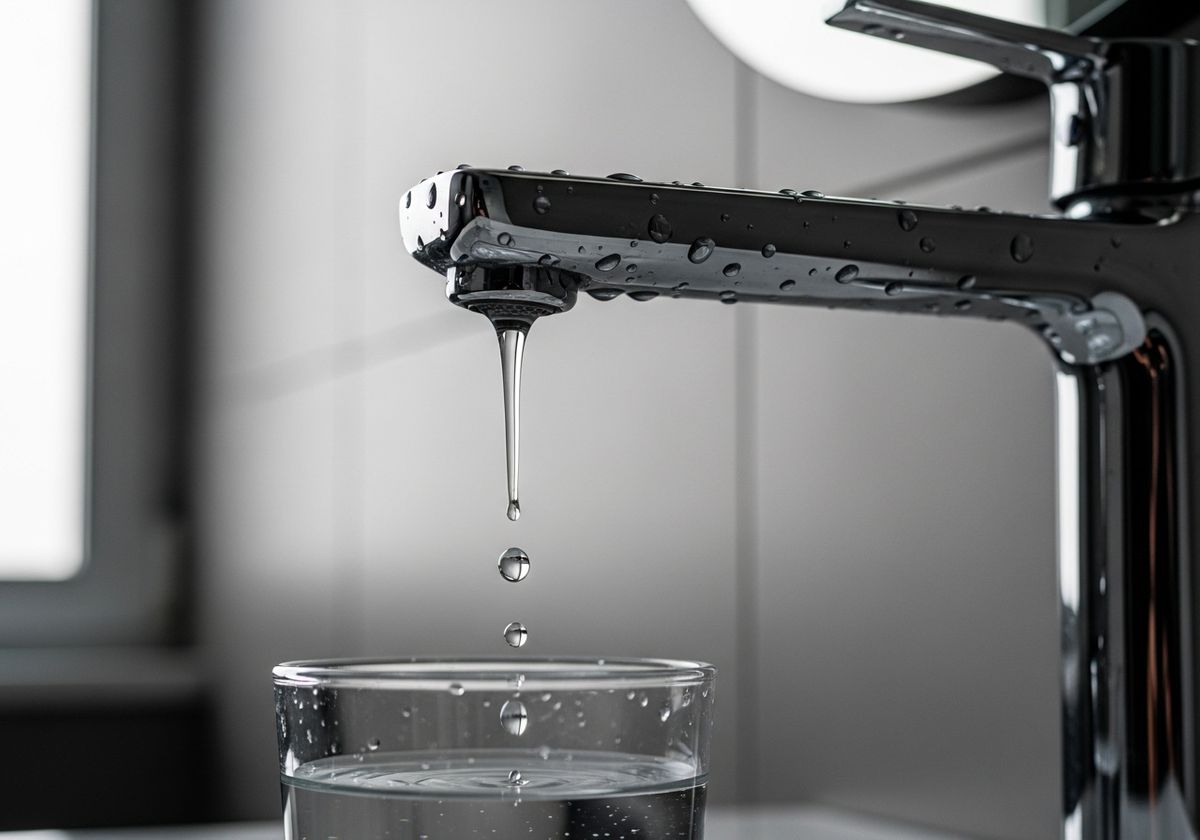
The Obvious Culprit: Water Waste
The most apparent cost of a dripping faucet is the wasted water. Even a slow drip can add up to gallons over time. According to the EPA, a leaky faucet that drips at a rate of one drip per second can waste more than 3,000 gallons of water per year! This wasted water directly translates to a higher water bill, impacting your monthly expenses.
The Hidden Costs: Beyond the Water Bill
Beyond the increased water bill, several hidden costs are associated with a dripping faucet. These include:
Increased Energy Bills: If you have a hot water drip, you're not just wasting water; you're also wasting the energy used to heat that water. This leads to higher gas or electricity bills, depending on your water heater type.
Potential Water Damage: A persistent drip can cause water damage to your sink, countertop, and surrounding areas. Over time, this can lead to mold growth, wood rot, and other structural problems that require costly repairs.
Fixture Damage: The constant dripping can corrode and damage the faucet itself, potentially leading to the need for a complete faucet replacement.
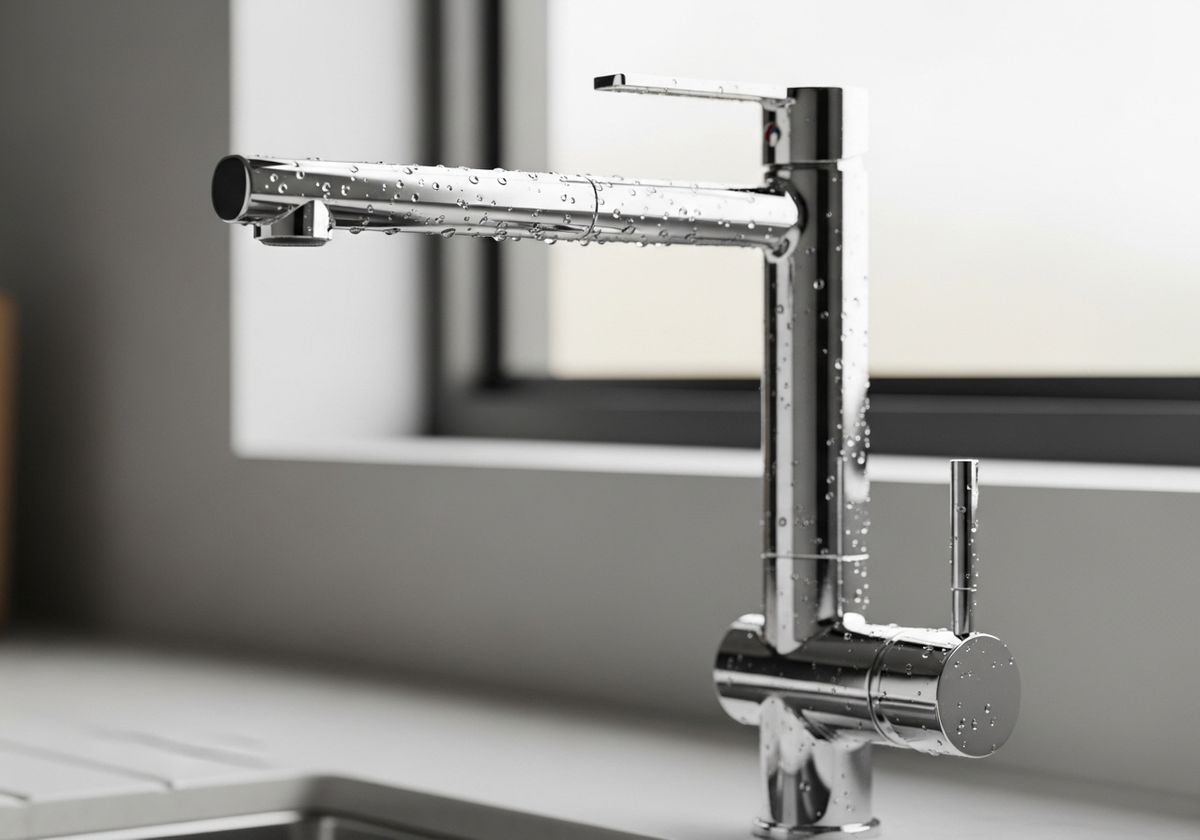
Prevention and Solutions
Fortunately, preventing and fixing a dripping faucet is often a straightforward process. Here are some steps you can take:
Identify the Source: Determine where the drip is coming from. Is it the faucet spout, the handle, or somewhere else?
Check the Washers and O-Rings: Worn-out washers and O-rings can be a cause of drips. Replacing these small, inexpensive parts can often solve the problem.
Tighten Connections: Loose connections can also cause leaks. Use a wrench to gently tighten any loose nuts or fittings.
Consider a Faucet Upgrade: If your faucet is old or corroded, it might be time to replace it with a new, more efficient model.
Call a Professional: If you're not comfortable tackling the repair yourself, or if the problem is more complex, don't hesitate to call a qualified plumber.
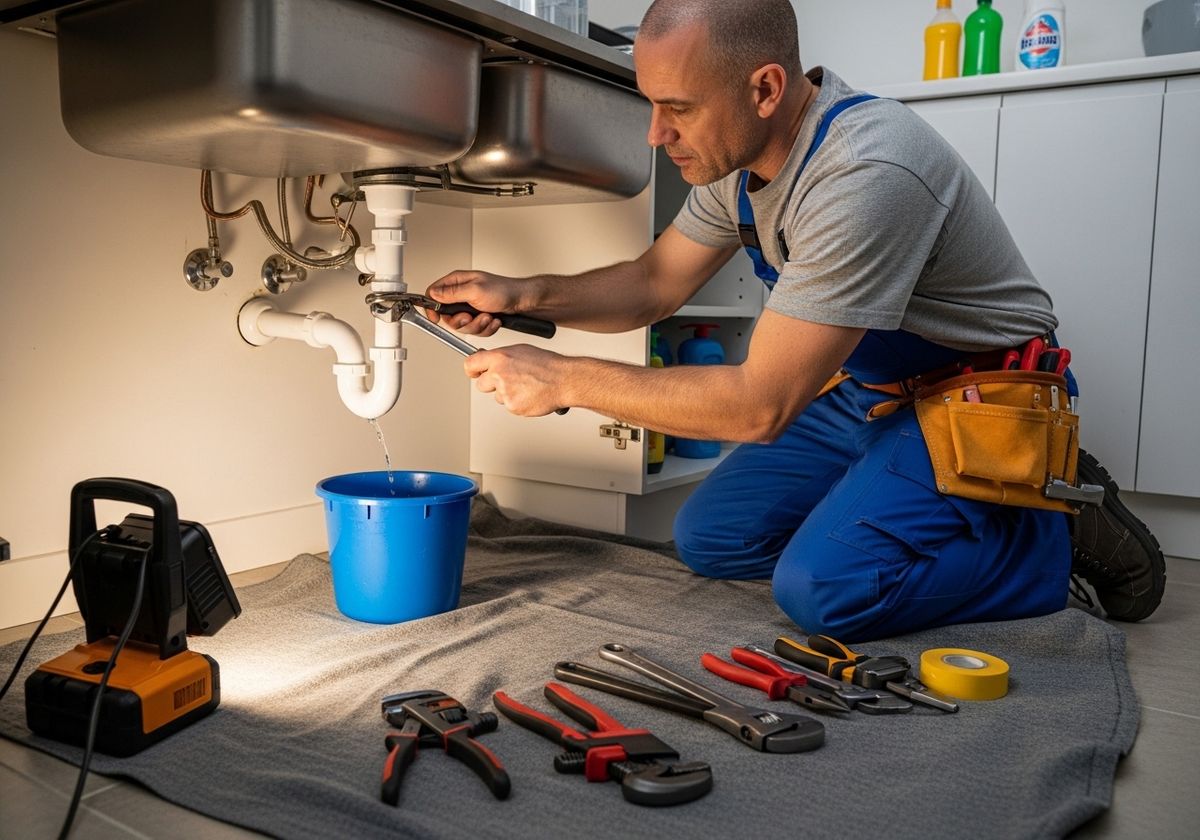
When to Call a Professional
While many faucet repairs are DIY-friendly, some situations warrant calling a professional plumbing contractor. These include:
Persistent Drips: If you've tried the DIY solutions and the dripping continues, it's time to call in an expert.
Hidden Leaks: If you suspect a leak behind the wall or under the sink, a professional can use specialized equipment for leak detection and address the problem before it causes significant damage.
Complex Plumbing Systems: If you have an older home or a complex plumbing system, it's best to leave repairs to a professional to avoid causing further damage.
Ignoring a dripping faucet might seem insignificant, but the cumulative effect on your wallet and the environment can be substantial. From wasted water and increased energy bills to potential water damage and fixture deterioration, the costs add up quickly. Addressing the issue promptly can save you money, conserve water, and prevent more extensive repairs down the line.