Maintaining a commercial grease trap is essential for any business that produces food waste. Ignoring this crucial task can lead to serious plumbing issues, costly fines, and even business closures. This guide from Pure Plumbing & Drain provides business owners with a comprehensive understanding of grease trap maintenance, ensuring smooth operations and regulatory compliance.
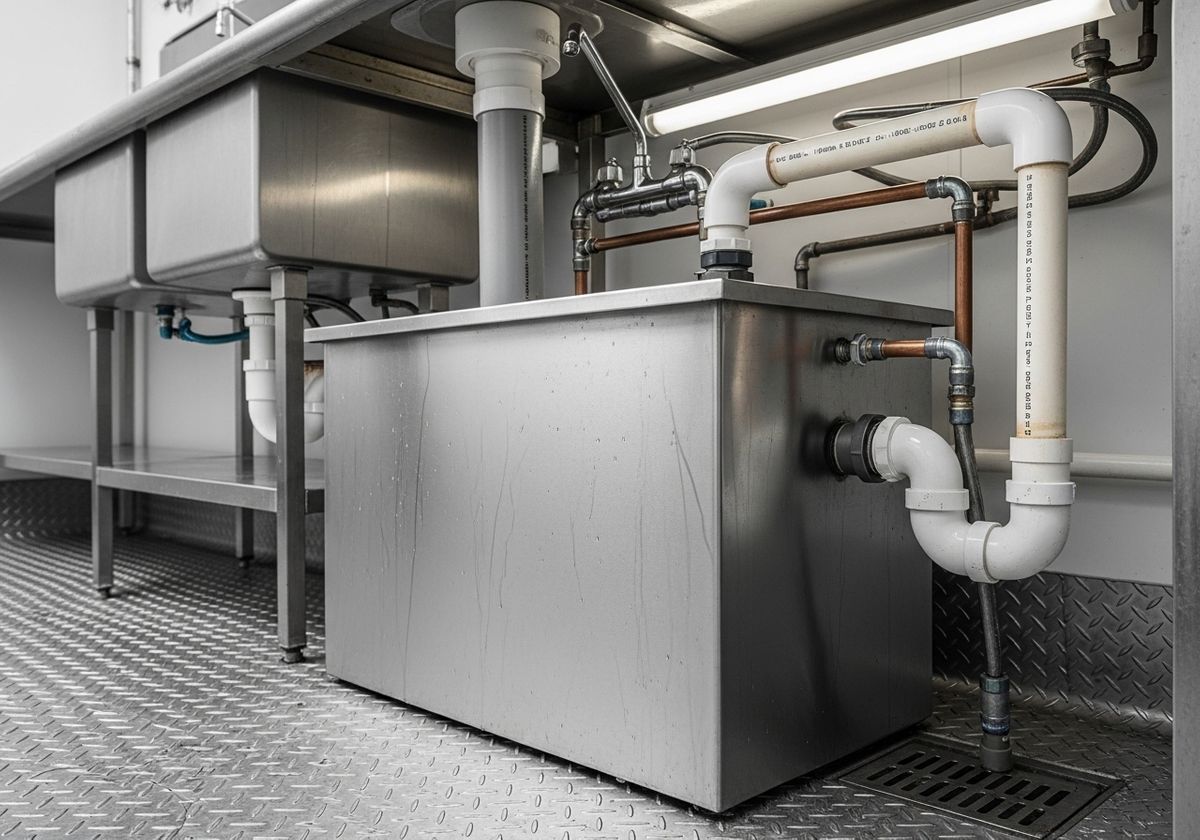
Why Grease Trap Maintenance Matters
Grease traps prevent fats, oils, and grease (FOG) from entering the public sewer system. Without regular maintenance, these substances can solidify, causing clogged drains and sewer lines. This can result in:
Plumbing Backups: Overflowing sinks and toilets disrupt your business and create unsanitary conditions.
Fines and Penalties: Some municipalities may enforce strict regulations regarding FOG discharge and can issue hefty fines for non-compliance.
Environmental Damage: Untreated FOG can pollute waterways and harm aquatic life.
Business Interruption: Severe plumbing issues can force you to shut down temporarily, impacting revenue and reputation.
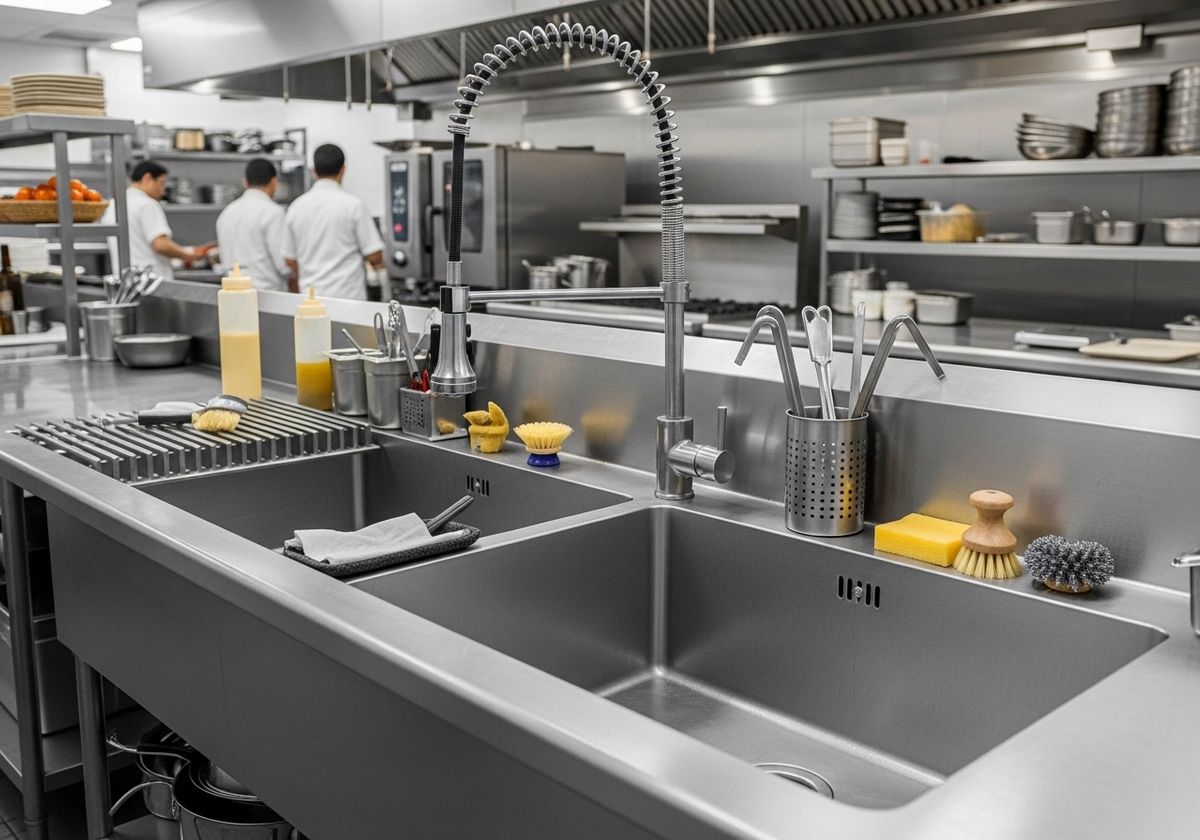
Understanding Your Grease Trap
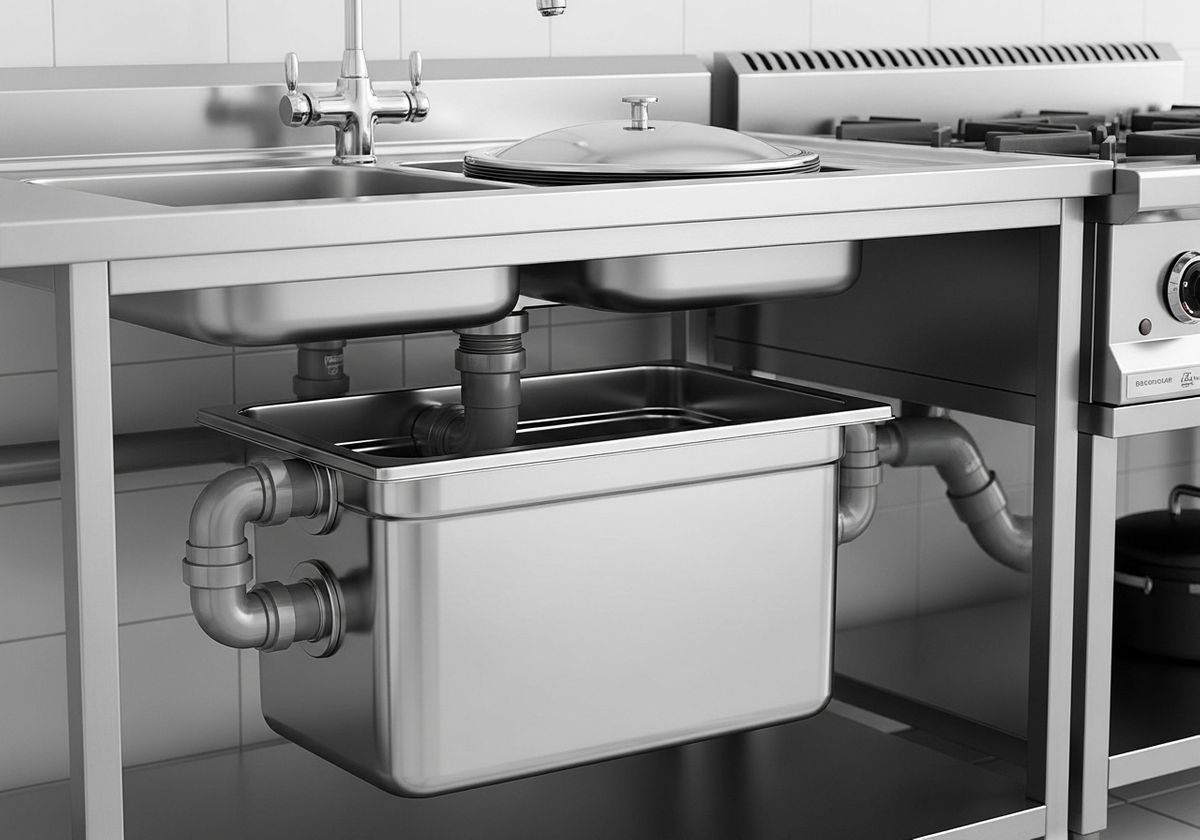
Grease traps come in various sizes and types, depending on your business's needs. Common types include:
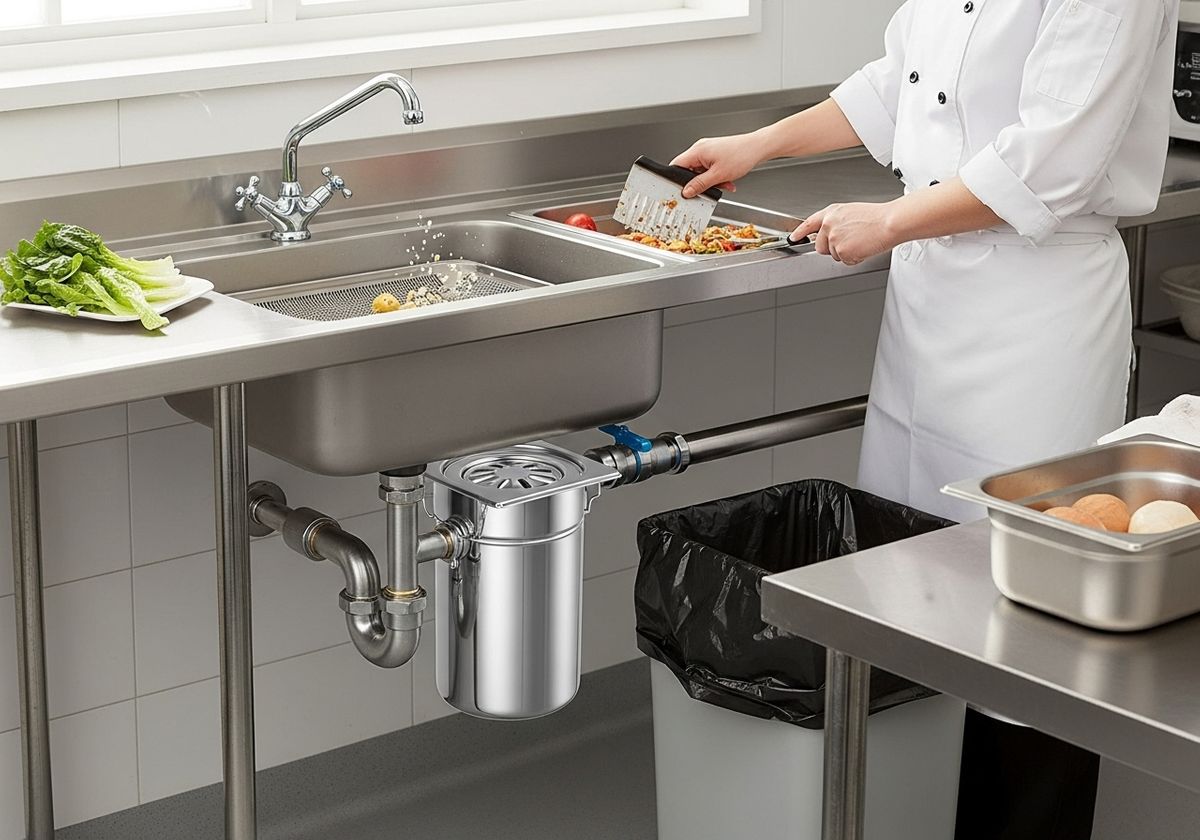
Small Under-Sink Traps: Suitable for smaller establishments with limited FOG production.
Large In-Ground Traps: Designed for high-volume operations like restaurants and cafeterias.
It's crucial to know your grease trap's capacity and how it functions. Regular inspections help identify potential problems early on.
Best Practices for Grease Trap Maintenance
Regular Pumping: Schedule routine pumping based on your grease trap's capacity and FOG production. A general rule of thumb is every one to three months.
Proper Waste Disposal: Train staff to scrape food scraps into designated containers and avoid pouring grease down the drain.
Use Strainers: Install strainers in sinks to catch solid food particles.
Maintain Records: Keep detailed records of pumping dates, volumes, and any maintenance performed.

The Consequences of Neglect
Ignoring grease trap maintenance can lead to severe consequences:
Clogged Drains: FOG buildup restricts water flow, leading to slow drains and backups. For a commercial plumber, this is an easy fix, but it's a fix that's easily avoided altogether.
Sewer Line Repair: In severe cases, solidified grease can block the entire sewer line, requiring costly and disruptive repairs. Mainline sewer line repair and replacement are expensive, so try to be proactive.
Foul Odors: Decaying FOG produces unpleasant odors and can create an unsanitary environment.
Health Hazards: Backups can contaminate food preparation areas, posing health risks to customers and employees.
Explore Professional Grease Trap Services Now
Don't wait until you have a clogged drain or a plumbing emergency. Pure Plumbing & Drain is dedicated to providing reliable plumbing solutions. Contact us today to learn more about our maintenance programs!