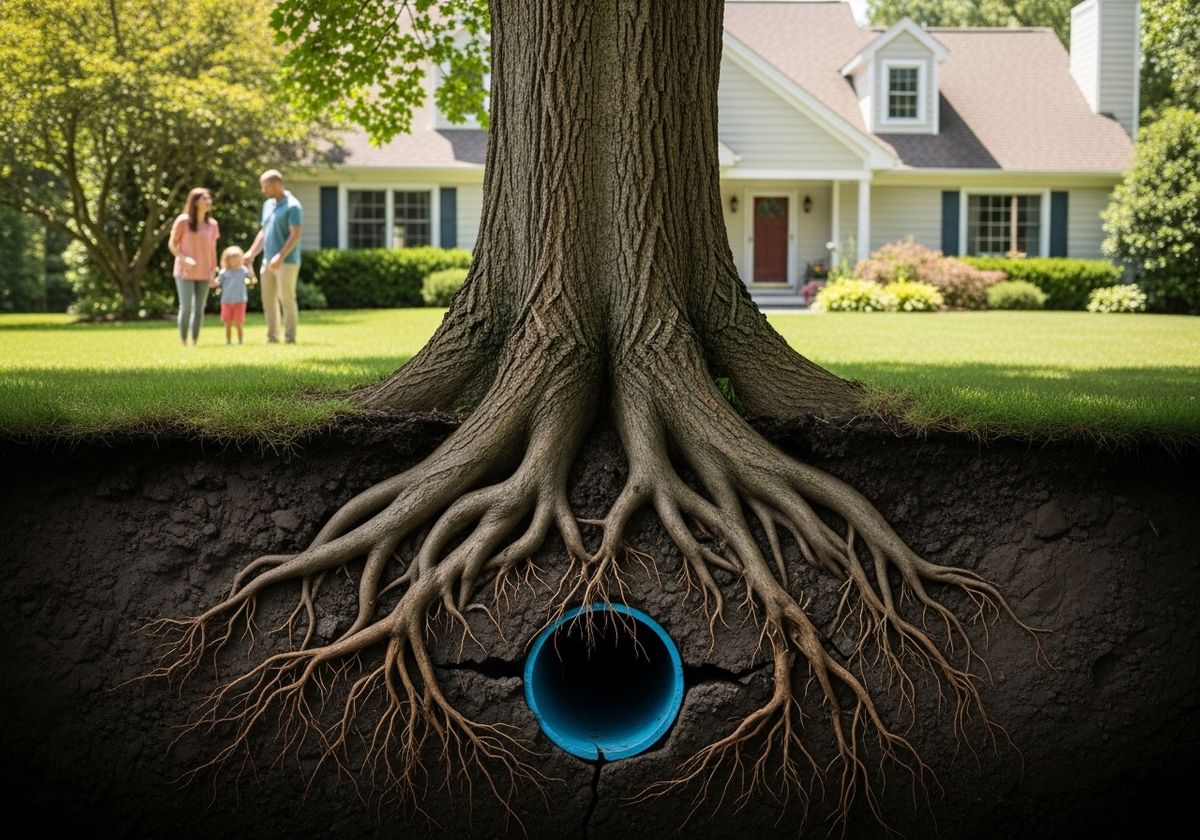
Your home's plumbing is a complex system, and one of the most vulnerable parts is your sewer line. While you might think the biggest threats to it are inside your home, sometimes the most significant dangers come from your own backyard. Tree roots, while essential for a healthy environment, can be a major headache for homeowners when they infiltrate sewer lines. Let's explore how this happens and what you can do about it!
The Silent Invasion: How Roots Enter Sewer Lines
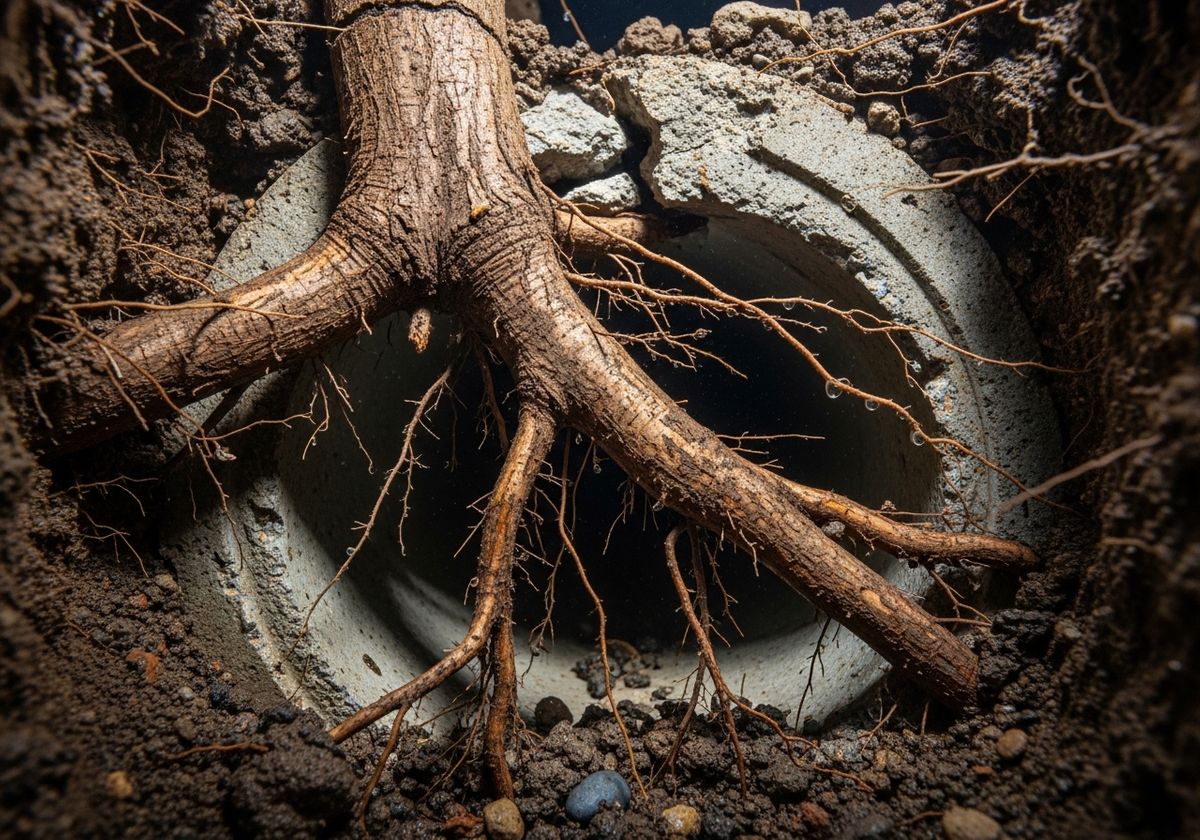
Sewer lines, buried underground, carry wastewater away from your home. But these lines aren't perfectly sealed systems and over time, joints can weaken, and tiny cracks can form. Tree roots, constantly seeking water and nutrients, are naturally drawn to these lines. The moisture and nutrients inside a sewer line create an ideal environment for root growth.
Roots exploit these vulnerabilities, starting as thin, hair-like strands that gradually expand and grow. As they grow, they can cause significant damage, leading to:
Clogged Drains: Roots obstruct the flow of wastewater, causing backups in your drains and toilets.
Sewer Line Breaks: The pressure from growing roots can crack or even completely break your sewer line.
Costly Repairs: Addressing root intrusion can be expensive, requiring professional excavation and repairs.
Identifying the Problem
Catching root intrusion early can save you from major headaches and expenses. Here are some common signs to watch out for:
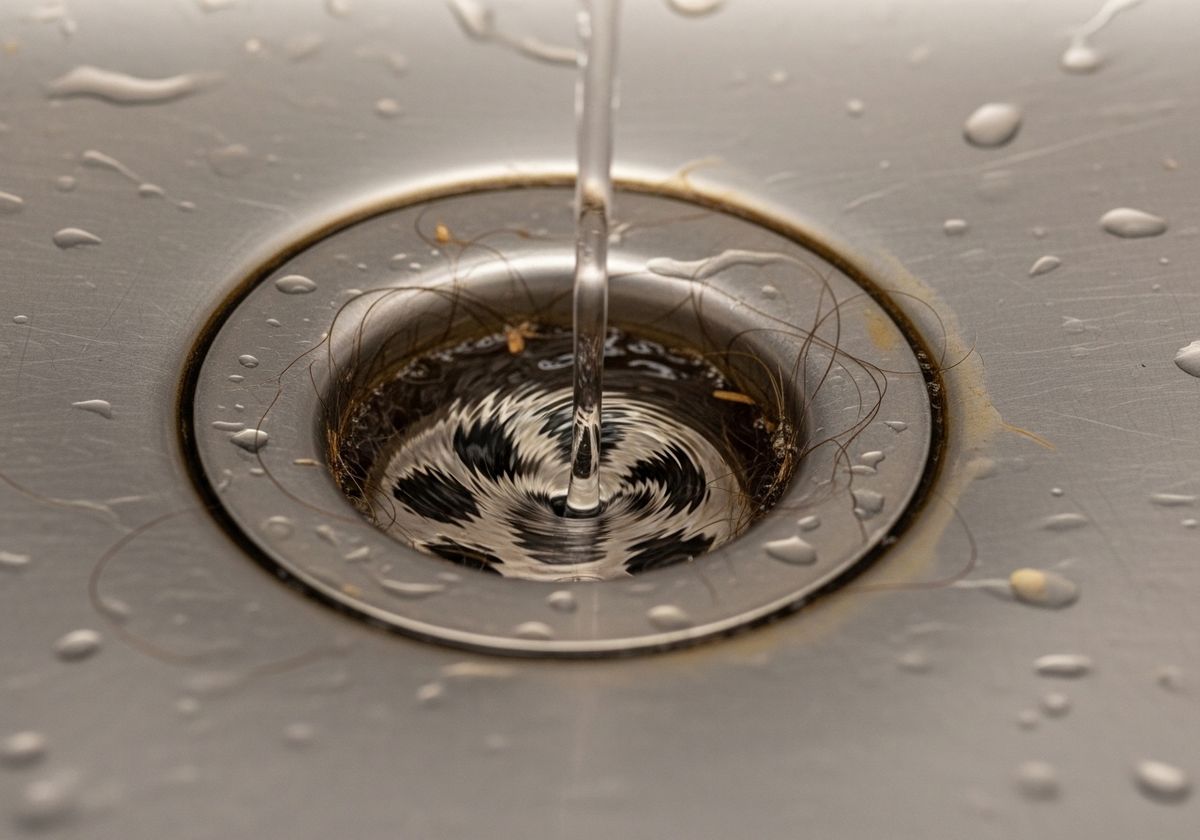
Slow Drains: If multiple drains in your home are draining slowly, it could indicate a blockage in your main sewer line.
Frequent Clogs: Are you constantly dealing with clogged drains, despite your best efforts? Root intrusion could be the culprit.
Gurgling Sounds: Gurgling sounds coming from your toilets or drains can indicate air trapped in the sewer line due to a blockage.
Sewer Odor: A foul sewer odor in your yard or near your home's foundation could signal a damaged sewer line.

Root Intrusion Prevention and Solutions
While you can't completely eliminate the risk of root intrusion, here are some steps you can take to minimize the problem:
Careful Planting: When planting trees, consider their proximity to your sewer lines. Choose slow-growing species with less aggressive root systems, and plant them as far away from your sewer lines as possible.
Root Barriers: Install physical root barriers when planting trees near sewer lines. These barriers can help deflect roots away from your pipes.
Regular Inspections: Schedule regular sewer line inspections with a professional residential plumber. They can use cameras to identify early signs of root intrusion.
Professional Cleaning: If roots have already infiltrated your sewer line, a residential or commercial plumber can use specialized equipment like hydrojetting to clear the blockage and remove the roots.
Sewer Line Repair or Replacement: In severe cases, where the sewer line is significantly damaged, sewer line repair or replacement may be necessary.
Recognizing the signs early and taking preventative measures can save you from costly repairs down the road. If you suspect a problem, don't hesitate to call Pure Plumbing & Drain. Learn more about how we can keep your plumbing system running smoothly!