
When a plumbing emergency strikes, knowing how to quickly shut off your main water supply can prevent costly damage and headaches. Whether it's a burst pipe, a leaky faucet gone wild, or a toilet overflowing, acting fast is crucial. This guide from Pure Plumbing & Drain will walk you through the steps to locate and operate your main water shut-off valve, empowering you to take control during a plumbing crisis.
Finding Your Main Water Shut-Off Valve
The first step is locating your main water shut-off valve. Its location varies depending on your region and the age of your home. Here are the most common places to check:
Near the Water Meter: In many homes, the shut-off valve is located near the water meter, either inside a utility box outdoors or in the basement where the water line enters the house.
Basement or Crawl Space: Look along the perimeter walls of your basement or crawl space, particularly where the water line comes into the house from the street.
Garage: In some cases, the valve might be located in the garage, often near the front wall.
Outside Wall: Particularly in warmer climates, the valve may be on an outside wall, protected by a small access panel.
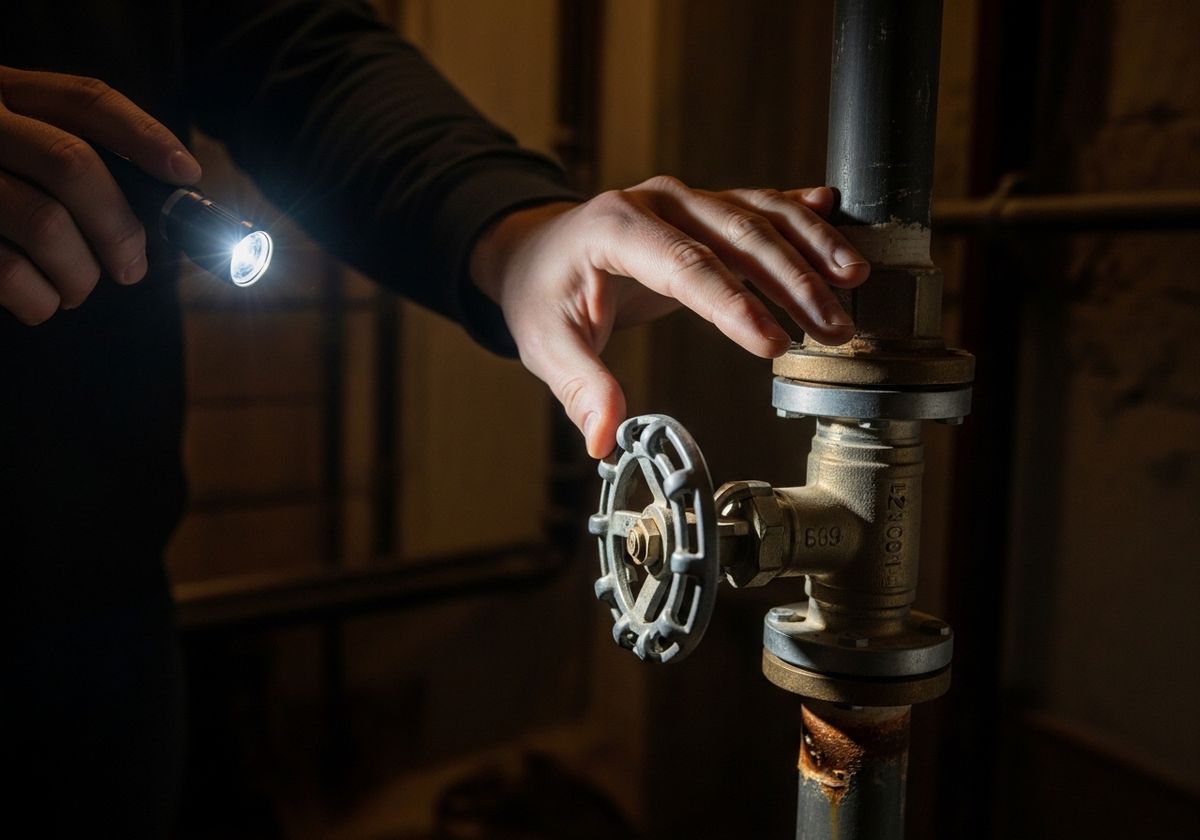
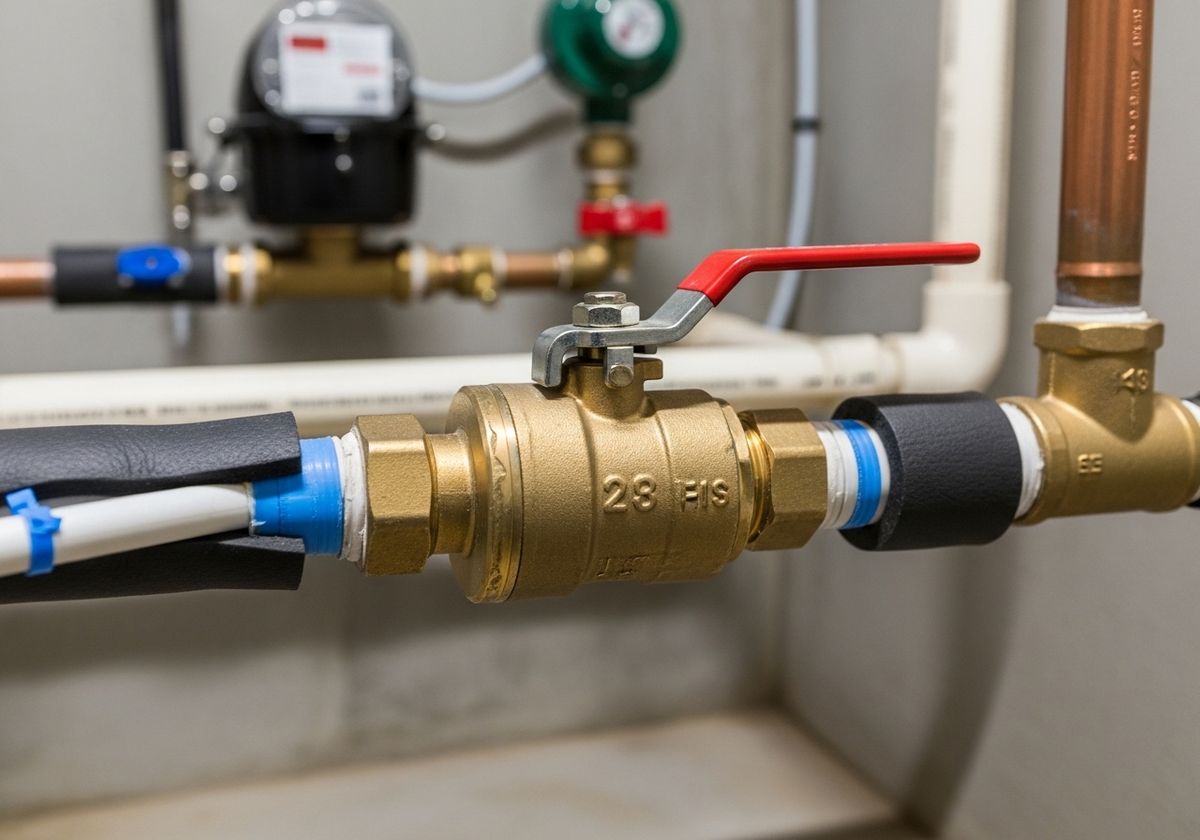
Once you find a possible location, look for a valve that is installed on the main water pipe entering your home. It is often a round handle (like a hose bib) or a lever.
How to Shut Off the Water
Once you've located the main shut-off valve, here's how to turn off the water:
Identify the Valve Type: Determine whether you have a wheel handle valve or a lever valve.
Wheel Handle Valve: Turn the wheel clockwise as far as it will go. This will shut off the water supply.
Lever Valve: Rotate the lever 90 degrees (a quarter turn) until it is perpendicular to the pipe. This will shut off the water supply.
Test the Shut-Off: After turning off the valve, turn on a faucet to check if the water flow has stopped. If water continues to flow, the valve may not be fully closed, or there may be an issue with the valve itself.

Important Considerations
Accessibility: Make sure the area around your main shut-off valve is clear and accessible. You don't want to be fumbling around in the dark or tripping over obstacles during an emergency.
Regular Exercise: Periodically (every six months) turn the valve off and on to prevent it from becoming stuck or corroded. This simple maintenance can save you a lot of trouble in the long run.
Whole-House vs. Fixture Specific: Remember that the main shut-off valve controls the water supply to your entire home. There are also individual shut-off valves located near toilets, sinks, and other fixtures. Knowing how to use these fixture-specific valves can be helpful for smaller, localized issues like a leaky faucet or running toilet.
Call a Professional: If you are unable to locate the shut-off valve, or if the valve is damaged or difficult to turn, don't force it. Contact a qualified residential plumber immediately.
Understanding how to quickly shut off your main water supply is a fundamental skill that every homeowner should possess. Being prepared can significantly reduce the potential damage caused by plumbing emergencies!